A new publication in Clinical Pharmacology & Therapeutics highlights how innovative model-informed approaches can support more efficient evidence generation and improve the development of treatments for children living with complex health conditions.
The article, “Model-Informed Approaches for Pediatric Type 2 Diabetes Evidence Generation: Insights from a Model-Based Longitudinal HbA1c Meta-Analysis from EMA Marketing Authorization Applications”, explores how advanced modelling and simulation methodologies can help address persistent challenges in paediatric drug development.
Developing medicines for children remains challenging due to limited patient populations, differences in disease progression compared to adults, and significant variability in treatment responses. In paediatric Type 2 diabetes, these challenges have made it particularly difficult for clinical trials to demonstrate treatment efficacy.
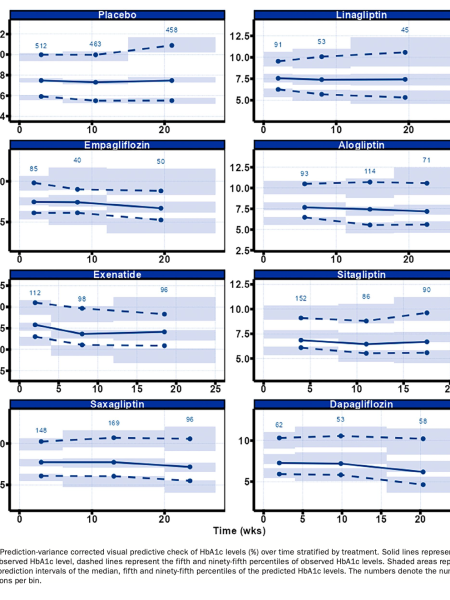
The study used a model-based longitudinal meta-analysis combining individual participant data from seven paediatric Type 2 diabetes trials submitted to the EMA. By analysing factors influencing HbA1c trajectories, the researchers were able to quantify the impact of disease severity, disease progression, placebo response and treatment effects.
The findings show that traditional trial designs may underestimate variability among paediatric participants, potentially limiting the ability to demonstrate treatment effects. The research highlights how strategies such as patient enrichment, clinical trial simulations and model-based estimators can reduce required sample sizes and increase the efficiency of future paediatric development programmes.
hese results underline the growing importance of model-informed drug development (MIDD) and data-driven methodologies in supporting regulatory decisions and accelerating the generation of reliable evidence for paediatric medicines.
Within this context, the ERAMET project contributes to advancing innovative approaches for paediatric research by fostering collaboration between scientific, clinical, regulatory and patient communities. By supporting the development and adoption of new methodologies, ERAMET aims to strengthen the ecosystem needed to deliver more effective, sustainable and patient-centred solutions for children affected by unmet medical needs.
This publication further demonstrates how combining scientific innovation, advanced analytics and collaborative frameworks can help overcome longstanding challenges in paediatric development and contribute to better health outcomes for future generations.
Read the article here !